
Mens continence management
View our mens continence management / treatment products
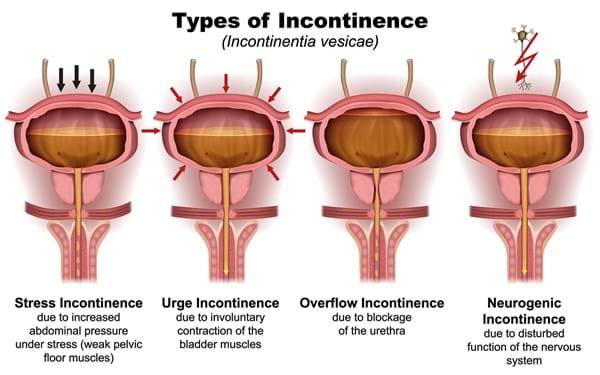
All kinds of persistent urinary incontinence involve recurring episodes of involuntary leakage, but still, there are different types. It is not always obvious which one you may have, but your doctor can help you determine which one you have by talking to you about your symptoms and through the diagnosis process.
What are the different forms of incontinence?
CTAmiddleSubheading
STRESS OR EFFORT INCONTINENCE
Involves leakage with a cough or sneeze. This is because of a weakened muscle in the bladder called the sphincter. It can happen in women who have gone through pregnancy, childbirth, or menopause, and men can get it after their prostates have been removed.
OVERFLOW INCONTINENCE
Involves the continual leakage of urine. Prostate gland conditions, a blocked urethra, and nerve damage (such as from uncontrolled diabetes, multiple sclerosis, or an injury to the spinal cord) can all cause Overflow Incontinence.
URGE INCONTINENCE
Involves a sudden feeling that you need to go. Overactive bladder is a type of Urge Incontinence, and it is triggered by bladder spasms. Your risk is higher after pregnancy or if you are overweight.
FECAL OR DOUBLE INCONTINENCE
Involves the involuntary release of faeces or faeces and urine simultaneously. Common causes of Faecal Incontinence include muscle problems, nerve damage, and certain illnesses.
MIXED INCONTINENCE
Involves a variety of specific symptoms resulting from weaker bladder muscles. It is more common in older women and can often be treated with lifestyle therapy. You can also experience temporary Urinary Incontinence, which can happen if you drink too much


