

Vasculogenic ED
Vasculogenic and Drug Induced ED
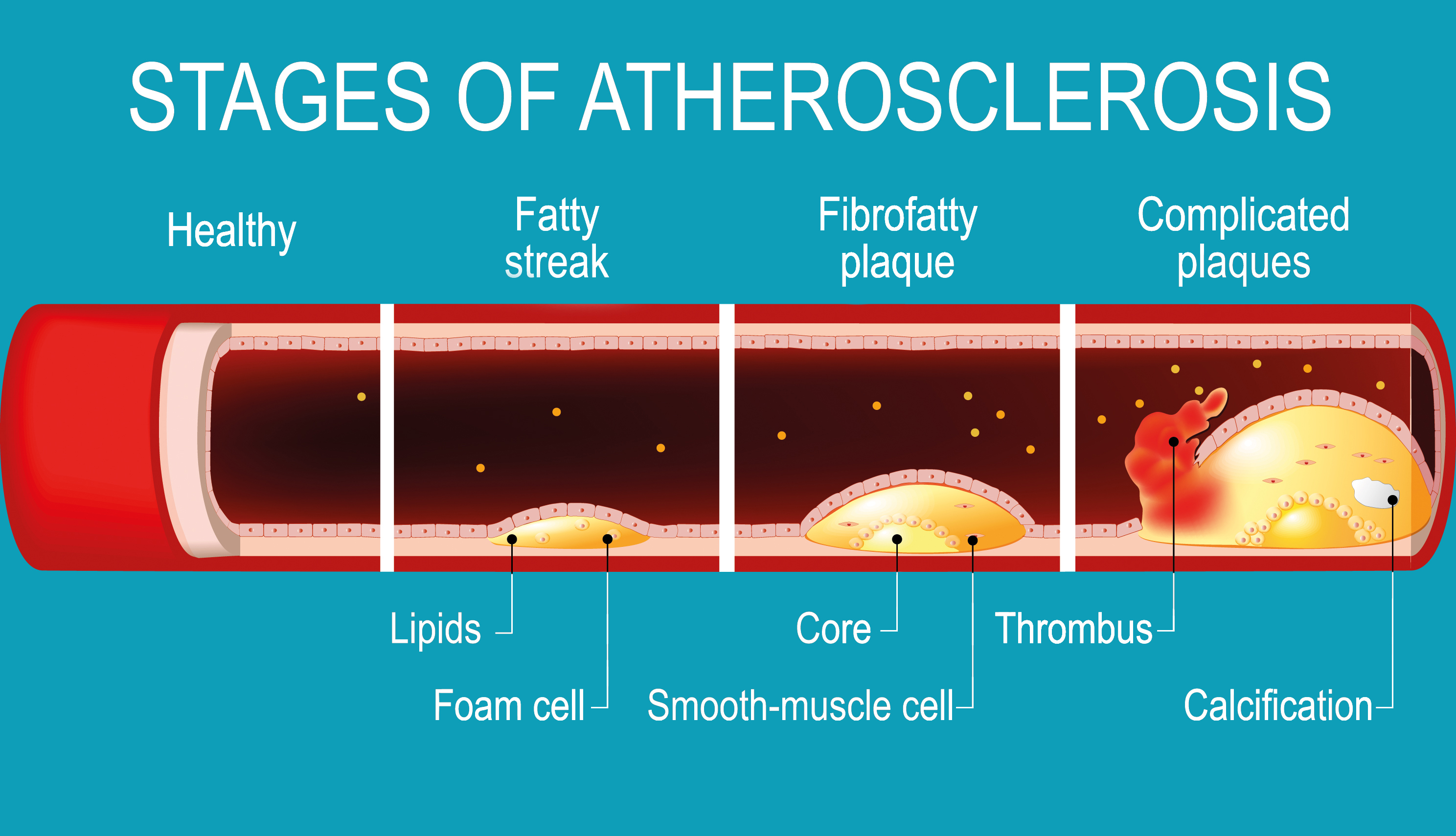
Erectile dysfunction (ED) is more frequent in patients with other signs of artherosclerotic disease such as ischaemic heart disease and arterial leg disease (20-22) and erectile dysfunction and cardiovascular disease share the same risk factors such as hypertension, diabetes mellitus, hypercholesterolemia and smoking (23,21).

ED and presence of a flow limiting stenosis
Moreover, arterial lesions in the pudental arteries (penal erectile arteries) are much more common in men with ED than in the general population of a similar age. (24). Originally arterial disease was linked to ED by the French surgeon, Leriche in 1940. The cause for ED in such patients can be ascribed to the presence of a flow limiting stenosis (narrowing) caused by the artherosclerotic lesions, leading to a reduced blood flow to the corpus cavernosum (erectile tissue) during the erection process. This can lead to corporal veno-occlusive disorder (see below). Chronic ischaemia (oxygen deficiency) provoked by stenosis of the penile arteries is also associated with functional changes in the distal part of the penile vasculature such as decreased Nitric Oxide Synthase (NOS) activity and reduced endothelium dependent neurogenic NO-mediated relaxation in cavernosal tissue (25,26).
Two vascular factors are important in the onset of erection: adequate arterial inflow into the cavernosal arteries and an efficient veno-occlusive mechanism (trapping the blood inside the corpora cavernosa). Two types of vasculogenic ED can be theoretically distinguished:
- Arteriogenic - with reduced arterial inflow is the most frequent organic cause of ED (40-80% of all cases of organic ED). Arteriosclerosis is the most common cause of arterial disease. It is usually diffuse, but may be localized to vessels supplying the penis. Smoking, hyperlipidemia and diabetes are risk factors. Arteriogenic ED is much less commonly caused by Traumatic Injury of the penile arteries.
- Venogenic - with dysfunction of the veno-occlusive mechanism resulting in an excessive leakage of blood from the penis.

Vasculogenic and Drug Induced ED
Erectile dysfunction (ED) is more frequent in patients with other signs of artherosclerotic disease such as ischaemic heart disease and arterial leg disease (20-22) and erectile dysfunction and cardiovascular disease share the same risk factors such as hypertension, diabetes mellitus, hypercholesterolemia and smoking (23,21).